


The Thracian Kings
From the end of the second millennium BC, Thracian tribes came to believe that the power of priest-kings was divine. This idea solidified at the beginning of the late Iron Age, when the earliest Thracian states emerged on the political map: the kingdoms of the Odrysians, Getae, and Triballi. The rulers and their families formed the Thracian aristocracy, which held power over the rest of the population.
The Thracian aristocrats practiced secret religious teachings. They commissioned impressive gold and silver objects decorated with scenes from Thracian religion and mythology. They built cities, residences, temples, and tombs, and organized lavish burials. For centuries, Thracian and foreign craftsmen, hired by these rulers and aristocrats, produced exquisite objects that demonstrated the aristocracy's power and supremacy.
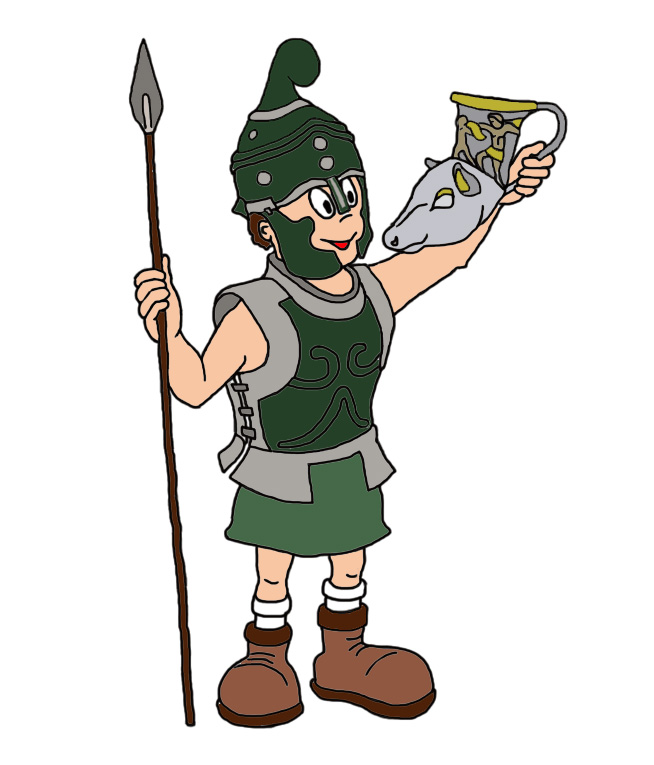
Such objects include dining services, ceremonial weapons, jewelry, wreaths, diadems, metal plates, pectorals, and decorations for horses and chariots. Massive gold rings, silver greaves, ceremonial helmets, and tomb murals depict the Thracian king-rider receiving from the Great Mother Goddess the symbols of supreme power: a shallow bowl (phiale), a vessel for pouring liquids (rhyton), a drinking horn, and a bow. To earn these symbols, the king had to perform glorious feats and pass through a series of military and hunting trials. Upon succeeding, he attained immortality and became a deified hero and god.